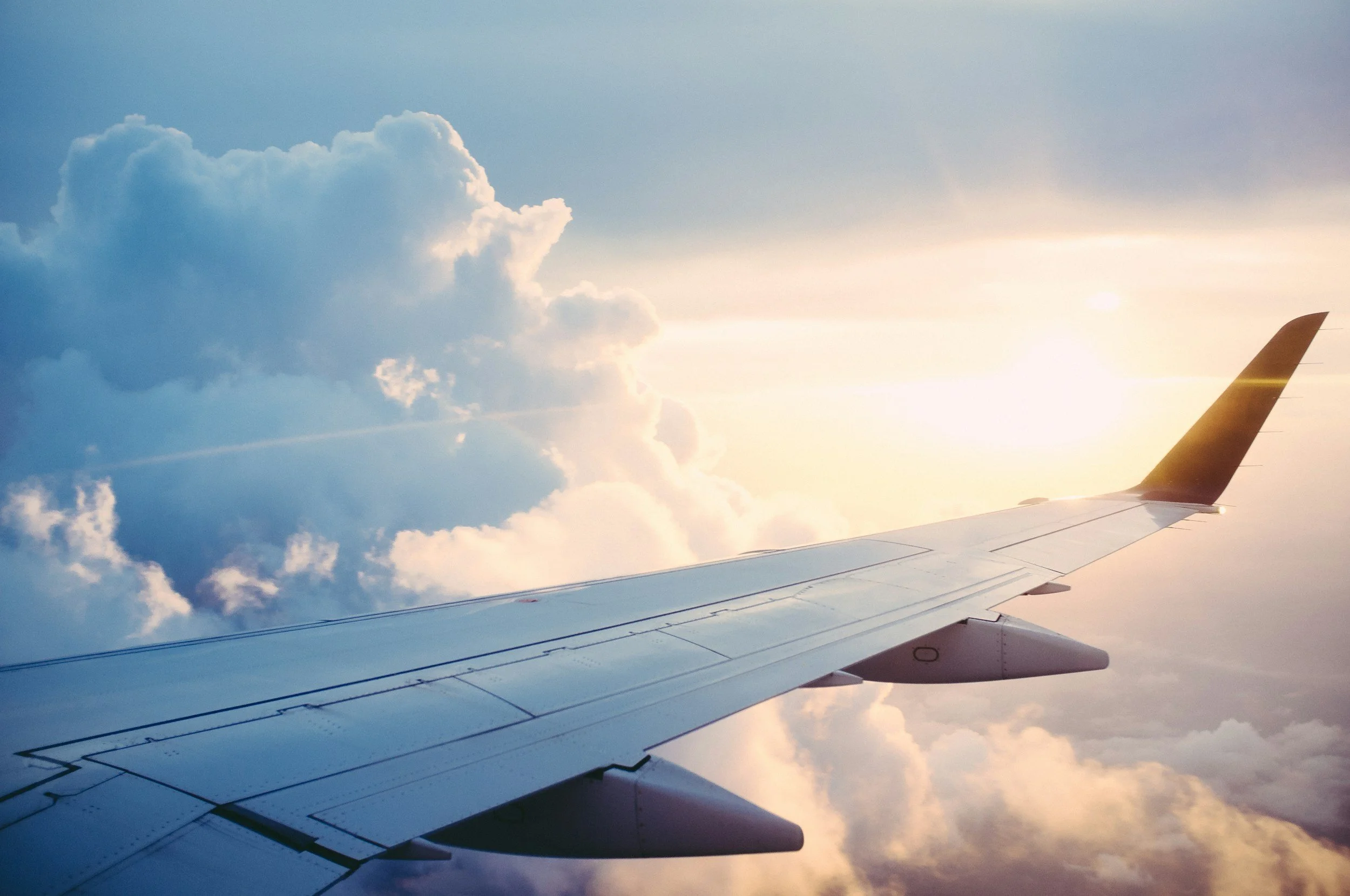
Sacred of Flying:
Anxiety can be one of the biggest challenges for first time flyers. When flying for the first time, it is very common to feel nervous, especially during takeoff and landing as it can feel very loud and bumpy. The following section provides effective strategies for passengers to help reduce their stress and fear of flying. This section provides strategies and resources to help passengers to help approach flying with greater confidence.
Flight anxiety is usually caused from the lack of familiarity of flying procedures. Sudden engine sounds and being trapped in a tight space can make one feel very uncomfortable. Passengers may fear turbulence, heights, or the unfamiliarity of flying. In many cases, these fears are fueled by common misconceptions about how aircraft operate or by hearing about accidents which are super uncommon.
National Weather Service: Government Catalog
Turbulence is one of the most common sources of fear for passengers. Turbulence occurs when the aircraft encounters rough air in its path. Imagine for example, you are driving your car and suddenly drive on a road that has several potholes. The bumps are exactly what an aircraft experiences when it flies through rough air. Aircrafts are designed to fly safely even through storms. Turbulence itself cannot damage the aircraft in any way.
One way to reduce fear from turbulence is to figure out in advance if the flight is going to be bumpy. Resources such as the National Oceanic and Atmospheric Administration provide very accurate weather forecasts and predictions. By checking if their flight route flying through storms, passengers can identify and predict potential turbulent segments. By reviewing weather conditions before a flight, passengers can better anticipate periods of turbulence and mentally prepare for them. By taking the element of surprise away, you can now conquer your fear of turbulence.
For passengers who have significant anxiety, additional strategies and resources can be found to manage the fear of flying. Many guides provide techniques such as breathing exercises, distraction methods, and understanding aircraft safety. Want to find more resources about flying as a nervous flyer, Click here to find a guide on how nervous flyers like you can handle stress free flying. This is a world famous guide that has proven many times to have helped passengers combat their fear of flying.
Remember: Flying is one of the safest modes of transportations out there. In fact, it is more dangerous to drive a car than flying on an airplane.